Overview & Clinical Background
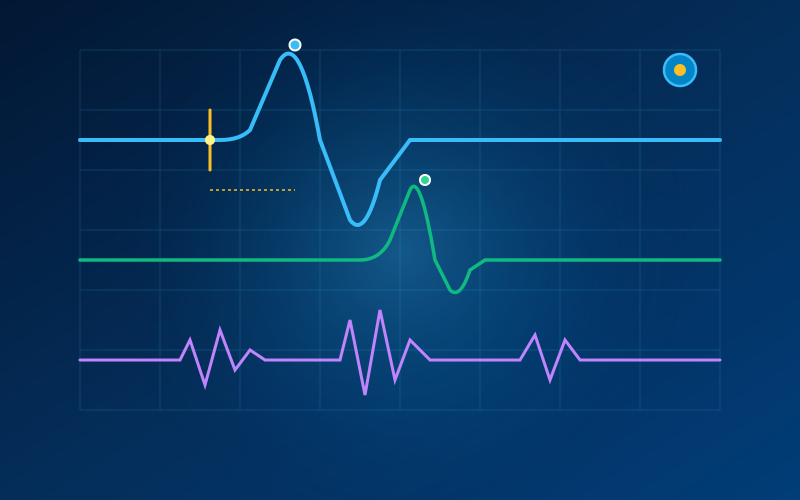
Electromyography (EMG) assesses the electrical activity of muscle fibers at rest and during voluntary contraction using a fine, disposable concentric needle electrode. This diagnostic test allows Dr. Sahu to determine whether weakness is due to a muscle disorder (myopathy), a nerve root compression, or a motor neuron disease (ALS).
Signs & Symptoms to Watch For
Recognizing early warning signs prevents irreversible nerve or brain damage.
Root Causes & Underlying Mechanisms
- Myopathies & Muscular Dystrophies: Polymyositis, dermatomyositis, metabolic myopathies
- Motor Neuron Disease: Amyotrophic Lateral Sclerosis (ALS), Spinal Muscular Atrophy
- Neuromuscular Junction Disorders: Myasthenia Gravis, Lambert-Eaton Myasthenic Syndrome
- Severe Radiculopathy & Plexopathy
Diagnostic Evaluation & Testing Protocol
Tests and investigations Dr. Chhatrapal uses to confirm the diagnosis.
Spontaneous Activity Assessment: Detecting fibrillation potentials, positive sharp waves, and fasciculations
Motor Unit Action Potential (MUAP) Analysis: Duration, amplitude, and polyphasia
Repetitive Nerve Stimulation (RNS): Testing decremental response in Myasthenia Gravis
Treatment Details & Procedures
Every patient at our practice receives a customized treatment roadmap designed under the clinical guidance of Dr. Chhatrapal Singh Sahu. Below are the key treatment modalities and procedural therapies utilized:
Definitive Neuromuscular Classification
Directly informs immunosuppressive therapy, enzyme replacement, or neuro-protective management.
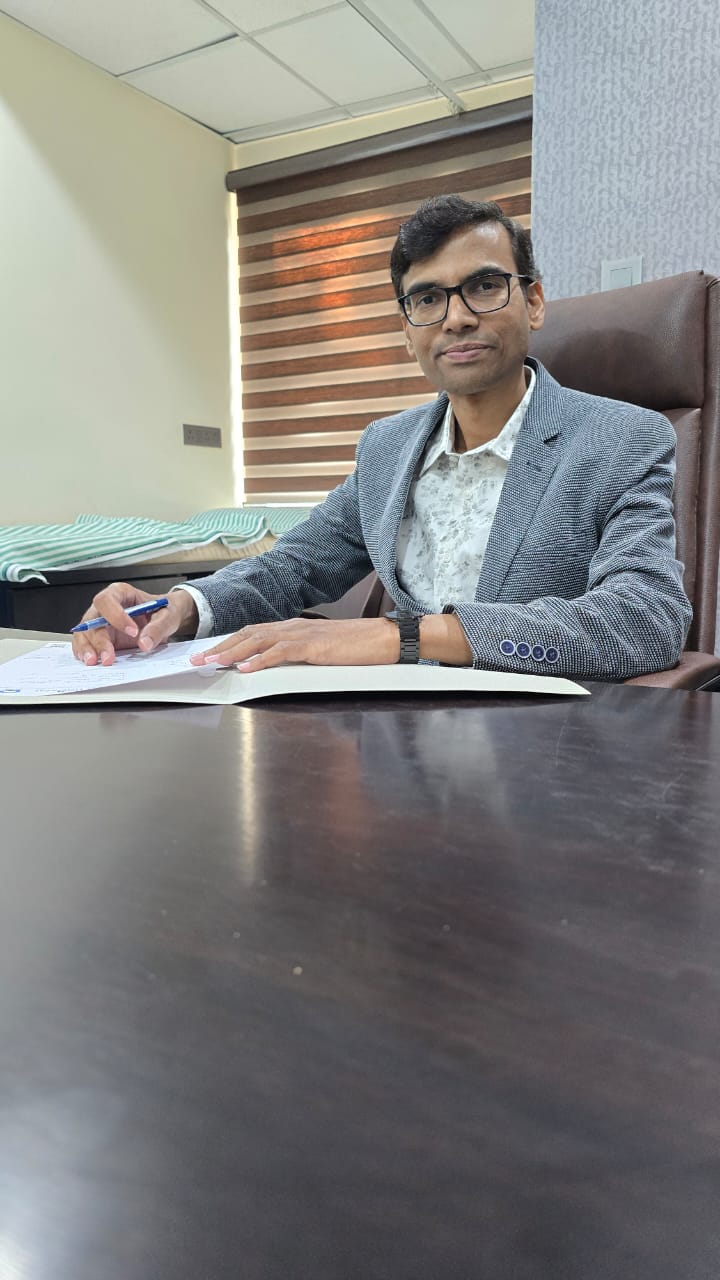
Dr. Chhatrapal Singh Sahu's Approach
MBBS, MD - Medicine, DM - Neurology • Consultant Neurologist
Conducted with sterile single-use micro-needles and gentle technique under direct neurological supervision.
Frequently Asked Patient Questions
Clarifying common concerns regarding diagnosis, treatment safety, and recovery.