Overview & Clinical Background
Epilepsy is a chronic disorder characterized by recurrent, unprovoked seizures caused by abnormal, synchronized electrical micro-discharges in the cerebral cortex. A seizure can present not just as full-body convulsions, but also as brief staring spells, sudden muscle jerks, unexplained blackouts, or sensory illusions. Accurate syndromic classification is the cornerstone of successful therapy.
Signs & Symptoms to Watch For
Recognizing early warning signs prevents irreversible nerve or brain damage.
Root Causes & Underlying Mechanisms
- Genetic epilepsy syndromes and channelopathies
- Structural brain lesions: Mesial temporal sclerosis, focal cortical dysplasia, cavernoma
- Post-traumatic brain injury and intracranial scarring
- Central nervous system infections: Neurocysticercosis (NCC), tuberculoma, viral encephalitis
- Post-stroke epilepsy and cerebrovascular disease in elderly adults
Diagnostic Evaluation & Testing Protocol
Tests and investigations Dr. Chhatrapal uses to confirm the diagnosis.
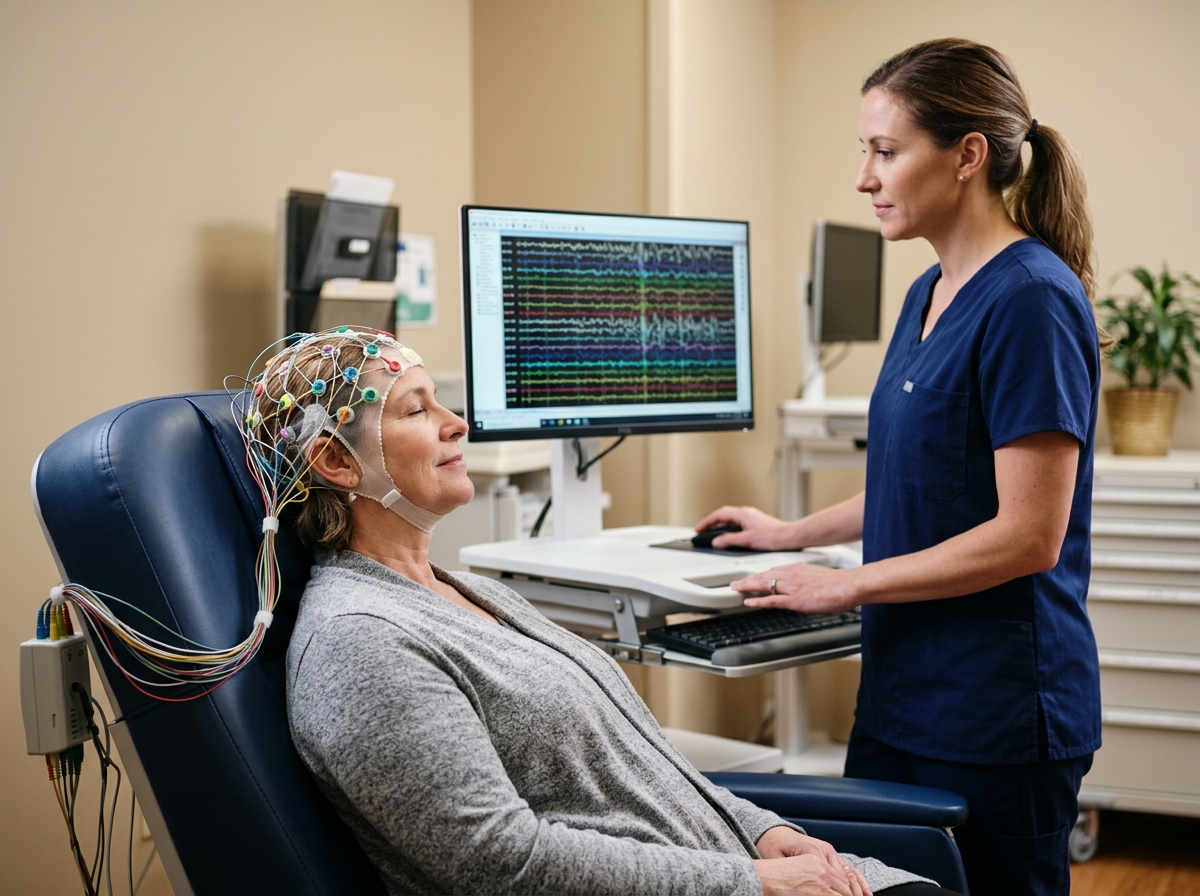
24-Channel Digital Video EEG: Electroencephalography with hyperventilation and photic stimulation to capture epileptiform spikes and sharp waves
Epilepsy Protocol 3-Tesla Brain MRI: High-resolution volumetric thin-slice sequences focused on hippocampus and temporal lobes
Metabolic & Electrolyte Workup: Serum sodium, calcium, blood glucose, and organ function tests to exclude provoked seizures
Treatment Details & Procedures
Every patient at our practice receives a customized treatment roadmap designed under the clinical guidance of Dr. Chhatrapal Singh Sahu. Below are the key treatment modalities and procedural therapies utilized:
Rational Antiepileptic Drug (AED) Precision Therapy
Selection of targeted first-line monotherapy based on seizure semiology, age, gender, and comorbidities (e.g., Levetiracetam, Sodium Valproate, Oxcarbazepine, Lacosamide, Lamotrigine) avoiding teratogenic medications in women of childbearing age.
Therapeutic Drug Monitoring (TDM) & Dose Optimization
Routine monitoring of serum drug concentrations and hepatic/renal safety profiles to maintain therapeutic efficacy with zero cognitive adverse effects.
Emergency Status Epilepticus Protocol
In-hospital emergency ICU management protocol for seizures lasting longer than 5 minutes using intravenous benzodiazepines, fosphenytoin, and neuro-monitoring to prevent hypoxic neuronal injury.
Lifestyle & Seizure Safety Counseling
Guidance on sleep regularity, fever management, avoiding swimming/driving hazards, and structured AED tapering after sustained seizure-free periods (typically 2-3 years).
Dr. Chhatrapal Singh Sahu's Approach
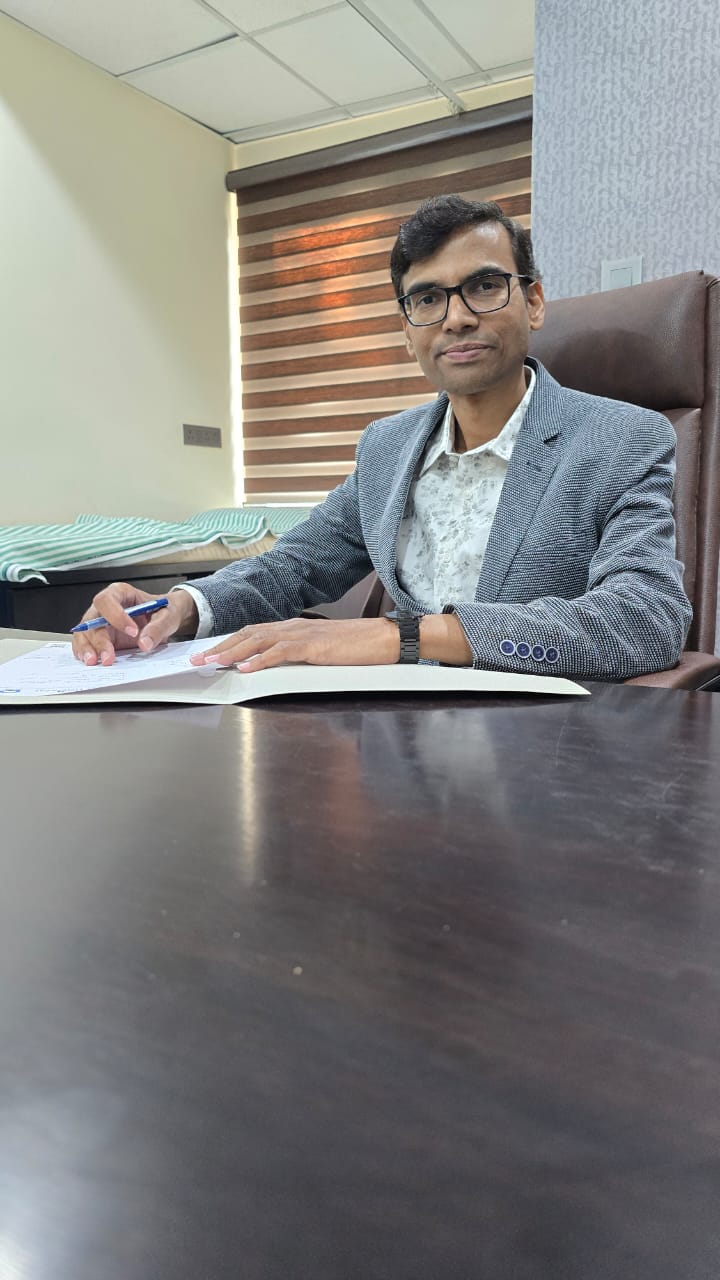
MBBS, MD - Medicine, DM - Neurology • Consultant Neurologist
Dr. Chhatrapal Singh Sahu emphasizes accurate diagnosis before starting treatment—preventing lifelong medication misprescription for non-epileptic events (syncope, psychogenic seizures). With modern antiepileptic therapy, over 75% of patients achieve complete seizure freedom.
Frequently Asked Patient Questions
Clarifying common concerns regarding diagnosis, treatment safety, and recovery.