

Overview & Clinical Background
Dizziness is a broad complaint that includes true vertigo (a false sensation of spinning of self or environment), lightheadedness, unsteadiness, or presyncope. The primary challenge is distinguishing benign peripheral vestibular causes (like inner ear crystal displacement) from life-threatening central neurological conditions like cerebellar infarction, brainstem stroke, or multiple sclerosis. Dr. Chhatrapal Singh Sahu conducts thorough neuro-otological examinations including the HINTS protocol.
Signs & Symptoms to Watch For
Recognizing early warning signs prevents irreversible nerve or brain damage.
Root Causes & Underlying Mechanisms
- Benign Paroxysmal Positional Vertigo (BPPV): Otolith crystals dislodged into semicircular canals
- Vestibular Migraine: Migraine-related neurovascular vertigo without necessarily a headache
- Vestibular Neuritis / Labyrinthitis: Post-viral inflammation of the vestibulocochlear nerve
- Vertebrobasilar Insufficiency (VBI) & Posterior Circulation Ischemic Stroke
- Acoustic Neuroma (Vestibular Schwannoma) and Cerebellopontine angle lesions
Diagnostic Evaluation & Testing Protocol
Tests and investigations Dr. Chhatrapal uses to confirm the diagnosis.
HINTS Examination (Head Impulse, Nystagmus, Test of Skew): Validated bedside clinical battery more sensitive than early MRI in detecting brainstem stroke
Dix-Hallpike & Supine Roll Positional Testing: Identifying specific semicircular canal crystal entrapment in BPPV
Brain & Posterior Fossa MRI with DWI: Ruling out acute cerebellar stroke, vascular malformations, or demyelination
Audiometry Coordination: Assessing cochlear nerve function in asymmetric hearing loss
Treatment Details & Procedures
Every patient at our practice receives a customized treatment roadmap designed under the clinical guidance of Dr. Chhatrapal Singh Sahu. Below are the key treatment modalities and procedural therapies utilized:
Canalith Repositioning Maneuvers (Epley / Semont / Lempert)
Bedside mechanical repositioning maneuvers performed by Dr. Sahu to safely guide loose otolith crystals back into the utricle, providing instant, permanent relief in over 90% of BPPV cases without pills.
Vestibular Migraine Prophylaxis
Customized migraine-preventive medical therapy (Flunarizine, Topiramate, Amitriptyline) combined with dietary trigger elimination for recurrent episodic vertigo.
Acute Vestibular Suppressant Management
Short-term anti-emetic and vestibular sedative medications (Betahistine, Cinnarizine, Dimenhydrinate) strictly limited to the first 48-72 hours to prevent retarding natural central compensation.
Vestibular Rehabilitation Therapy (VRT)
Gaze stabilization exercises, habituation protocols, and balance platform training to recalibrate the brain's balance centers after vestibular neuritis.
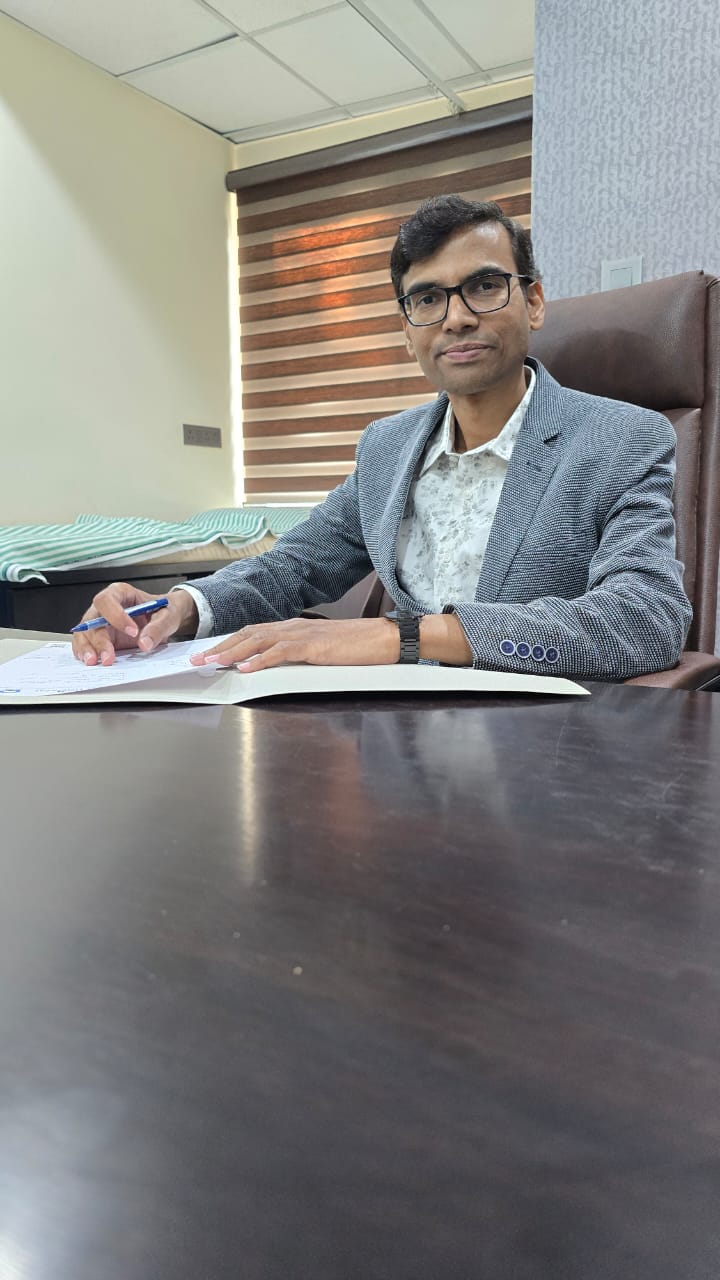
Dr. Chhatrapal Singh Sahu's Approach
MBBS, MD - Medicine, DM - Neurology • Consultant Neurologist
Many patients take vestibular sedatives for years without resolution. Dr. Sahu focuses on identifying the root mechanism—frequently curing BPPV within 10 minutes through precision physical repositioning maneuvers right in the clinic.
Frequently Asked Patient Questions
Clarifying common concerns regarding diagnosis, treatment safety, and recovery.