Overview & Clinical Background
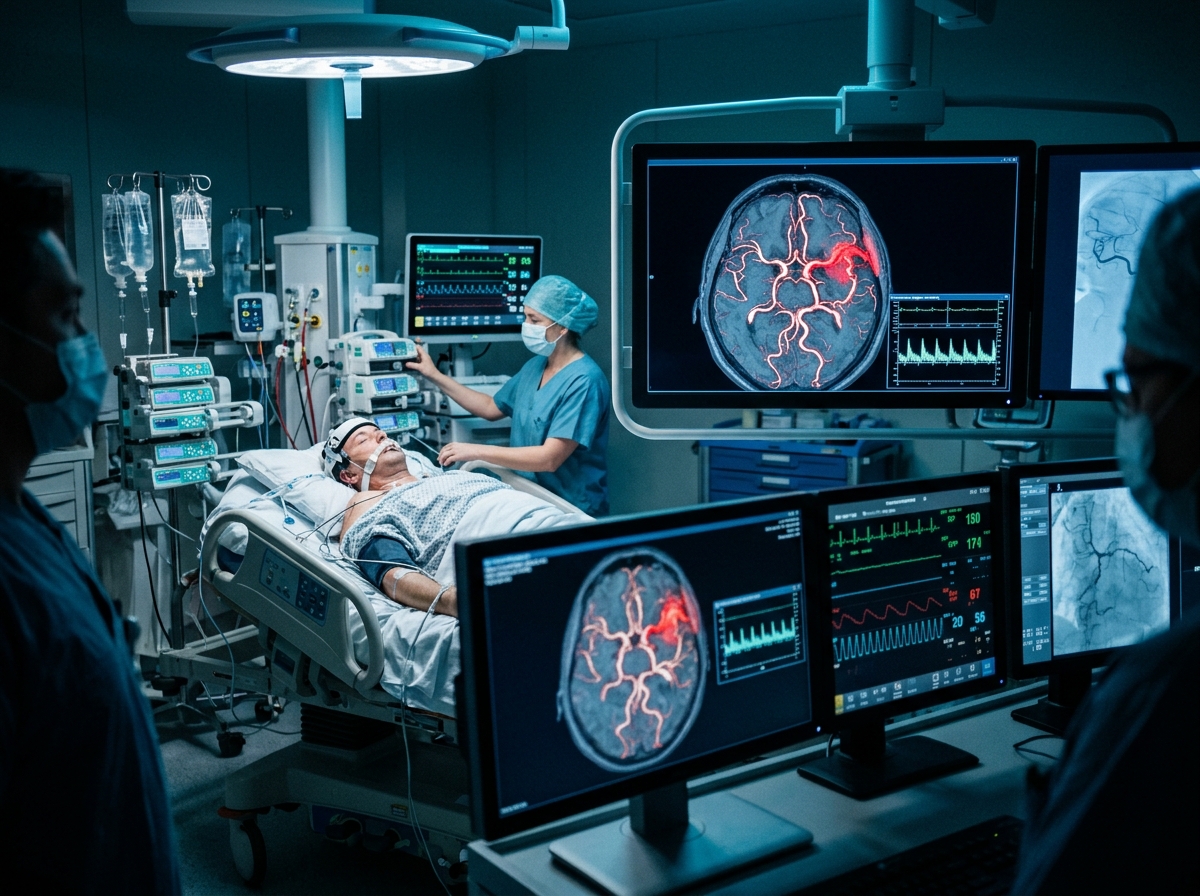
A stroke (Brain Attack) occurs when blood flow to an area of brain is cut off by a blood clot (ischemic stroke, 85%) or a ruptured blood vessel (hemorrhagic stroke, 15%). Brain cells begin dying within minutes due to oxygen starvation—nearly 1.9 million neurons are lost every minute during an untreated stroke. Dr. Chhatrapal Singh Sahu follows a dedicated Stroke Code protocol for golden-hour treatment.
Signs & Symptoms to Watch For
Recognizing early warning signs prevents irreversible nerve or brain damage.
Root Causes & Underlying Mechanisms
- Atherosclerosis: Cholesterol plaque buildup narrowing carotid and cerebral arteries
- Cardioembolism: Blood clots forming in the heart due to Atrial Fibrillation (AFib) migrating to the brain
- Uncontrolled Hypertension: The leading cause of hemorrhagic brain hemorrhage
- Diabetes Mellitus, Dyslipidemia, and Tobacco Smoking
- Hypercoagulable states and carotid artery dissection in young stroke patients
Diagnostic Evaluation & Testing Protocol
Tests and investigations Dr. Chhatrapal uses to confirm the diagnosis.
Emergency NCCT Brain Scan: Rapid 5-minute door-to-CT imaging to differentiate ischemic vs hemorrhagic stroke
CT Angiography (CTA) of Brain & Neck Vessels: Pinpoints exact site of large vessel arterial occlusion (LVO)
Brain MRI + Diffusion-Weighted Imaging (DWI): Detects hyperacute ischemic penumbra within minutes
Carotid Doppler Ultrasound & 2D Echocardiography: Uncovering source of emboli
Holter Monitoring: Detecting occult paroxysmal atrial fibrillation
Treatment Details & Procedures
Every patient at our practice receives a customized treatment roadmap designed under the clinical guidance of Dr. Chhatrapal Singh Sahu. Below are the key treatment modalities and procedural therapies utilized:
Intravenous Thrombolysis (Golden Hour Rescue)
Immediate IV infusion of clot-busting recombinant tissue plasminogen activator (tPA / Tenecteplase) within the crucial 4.5-hour golden window to dissolve the thrombus and restore cerebral perfusion.
Endovascular Mechanical Thrombectomy (EVT)
Minimally invasive catheter-based clot retrieval for Large Vessel Occlusion (LVO) using modern stent retrievers and aspiration catheters, effective up to 6 to 24 hours in selected patients based on neuroimaging.
Critical Hemodynamic Management
Continuous arterial blood pressure control, cerebral perfusion optimization, anti-edema therapy (mannitol, hypertonic saline), and seizure prophylaxis.
Secondary Stroke Prevention & Multidisciplinary Rehabilitation
Targeted antiplatelet/anticoagulant therapy, statins, carotid stenting/endarterectomy coordination, speech therapy, and neuro-physiotherapy for paralysis recovery.
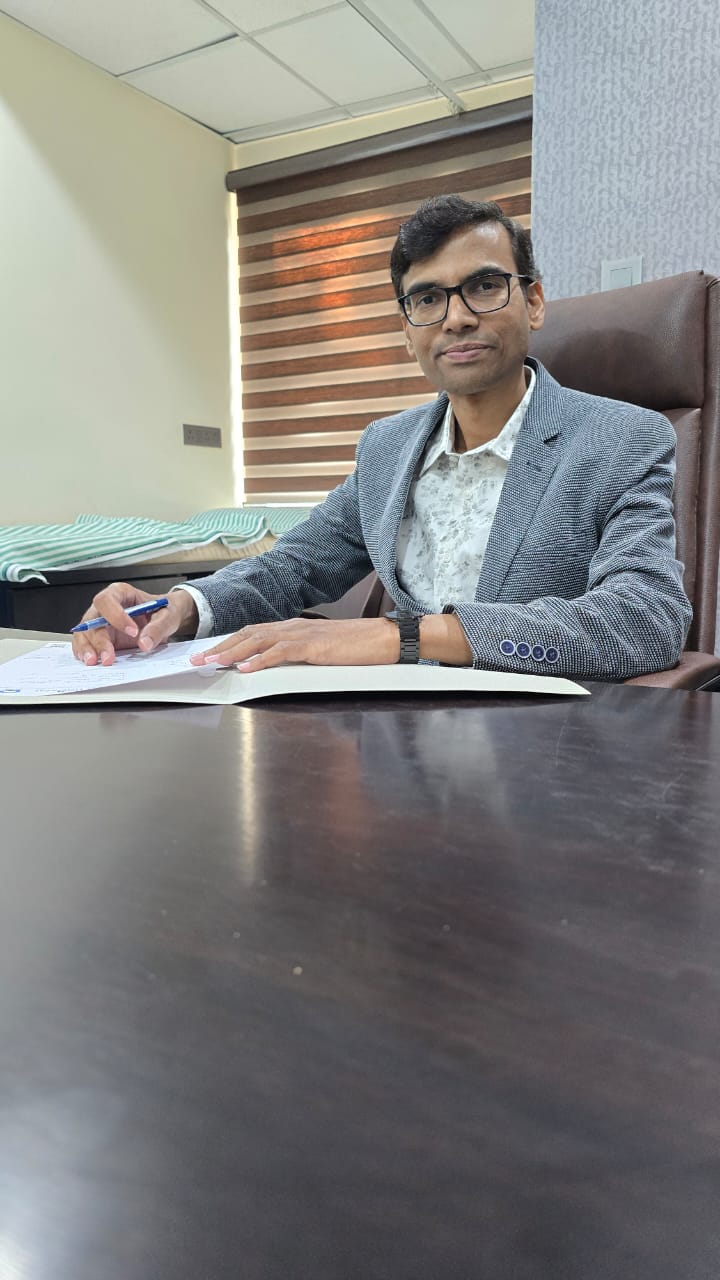
Dr. Chhatrapal Singh Sahu's Approach
MBBS, MD - Medicine, DM - Neurology • Consultant Neurologist
Dr. Chhatrapal Singh Sahu personally leads acute stroke treatment for his patients. With specialized DM Neurology training in hyperacute stroke protocols, his priority is minimizing door-to-needle time to maximize brain cell salvage.
Frequently Asked Patient Questions
Clarifying common concerns regarding diagnosis, treatment safety, and recovery.