Overview & Clinical Background
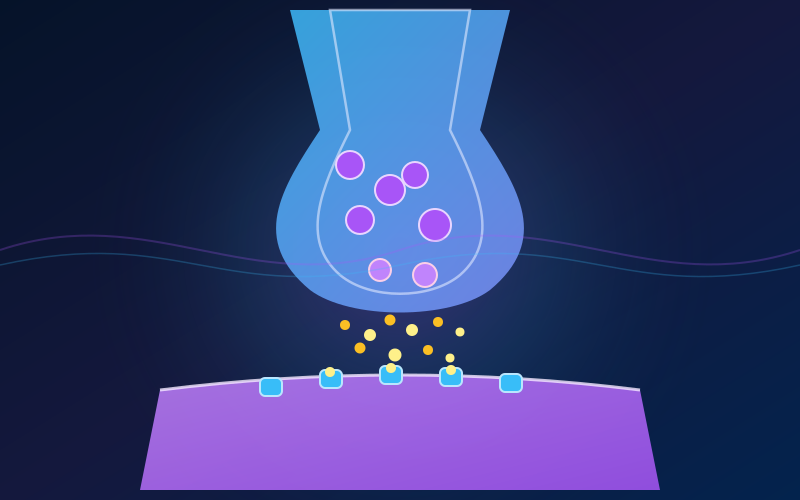
Parkinson's disease is a progressive neurodegenerative disorder caused by the loss of dopamine-producing neurons in the substantia nigra pars compacta of the basal ganglia. It manifests with both cardinal motor features (tremors, rigidity, slowness) and non-motor features (sleep disturbances, constipation, mood changes). Accurate clinical differentiation from Parkinson-Plus syndromes (PSP, MSA, CBD) and drug-induced parkinsonism is essential for effective treatment.
Signs & Symptoms to Watch For
Recognizing early warning signs prevents irreversible nerve or brain damage.
Root Causes & Underlying Mechanisms
- Alpha-synuclein protein aggregation into intracellular Lewy bodies
- Degeneration of dopaminergic pathways connecting substantia nigra to striatum
- Complex interplay of aging, genetic risk alleles (LRRK2, GBA), and environmental exposures
Diagnostic Evaluation & Testing Protocol
Tests and investigations Dr. Chhatrapal uses to confirm the diagnosis.
Comprehensive Movement Disorder Clinical Rating (MDS-UPDRS scoring): Assessing motor and non-motor impairment
Levodopa Challenge Test: Documenting dramatic clinical improvement following dopaminergic administration
High-Resolution Brain MRI: Ruling out normal pressure hydrocephalus (NPH), vascular parkinsonism, and structural basal ganglia pathology
Treatment Details & Procedures
Every patient at our practice receives a customized treatment roadmap designed under the clinical guidance of Dr. Chhatrapal Singh Sahu. Below are the key treatment modalities and procedural therapies utilized:
Levodopa / Carbidopa Gold-Standard Pharmacotherapy
Individualized titration of dopaminergic replacement therapy to restore motor fluidity while avoiding medication-induced nausea.
Dopamine Agonists & Enzyme Inhibitors
Utilization of Pramipexole, Ropinirole, MAO-B inhibitors (Rasagiline), and COMT inhibitors (Entacapone) to prolong the therapeutic on-time and delay motor complications.
Management of Motor Fluctuations & Dyskinesias
Fine-tuning dosing intervals to prevent "wearing-off" episodes, sudden on-off phenomena, and involuntary choreiform peak-dose dyskinesias (using Amantadine).
Targeted Neuro-Physical & Speech Therapy
BIG movement therapy, fall prevention strategies, auditory cueing for freezing of gait, and Lee Silverman Voice Treatment (LSVT) for soft speech.
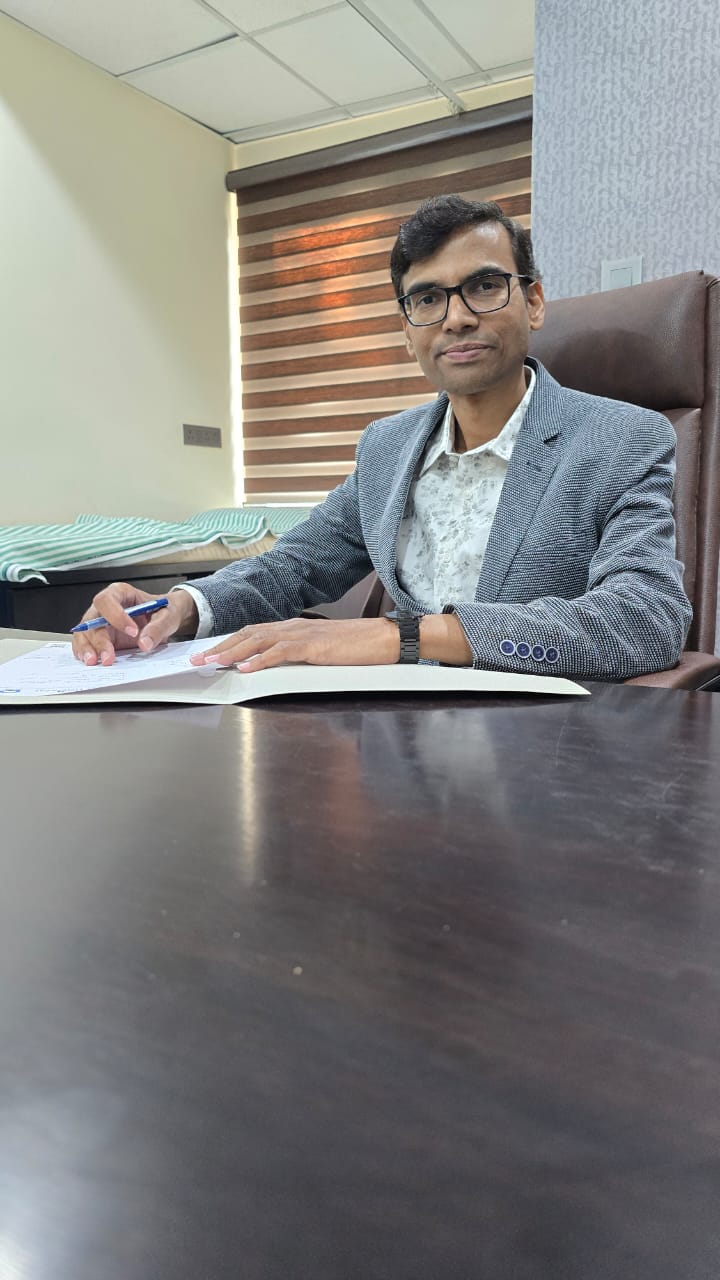
Dr. Chhatrapal Singh Sahu's Approach
MBBS, MD - Medicine, DM - Neurology • Consultant Neurologist
Dr. Chhatrapal Singh Sahu adopts a holistic, individualized approach that optimizes motor function while actively addressing often-overlooked non-motor symptoms, maintaining patient independence and quality of life for decades.
Frequently Asked Patient Questions
Clarifying common concerns regarding diagnosis, treatment safety, and recovery.